TORONTO – Canadians, and not only them, are concerned about US President Donald Trump’s plan to deploy Immigration and Customs Enforcement (ICE) officers alongside Transportation Security Administration (TSA) agents at several US airports. Some experts say that those continuing to travel to the US should be prepared for the “broad powers” that ICE officers have. Considering recent, in some cases tragic, incidents involving these agents—such as the deaths of US citizens Alex Pretti and Renee Good in Minneapolis—the concern is understandable.
Already on Monday, a few federal officers were seen by the Associated Press near crowded lines at several airports, including Hartsfield–Jackson Atlanta International Airport, Louis Armstrong International Airport in New Orleans, George Bush Intercontinental Airport in Houston, and William P. Hobby Airport, also in Houston.
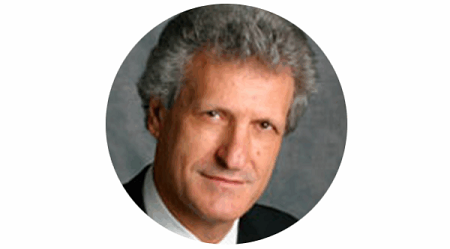
“For Canadians, the rules haven’t really changed. Border officials still have very broad powers. I think what’s really a catching Canadians off guard a little bit isn’t the new rules, but the visibility of enforcement,” said Mario Bellissimo of the Bellissimo Law Group PC in Toronto, speaking to Global News.
Federal officers are normally present at international airports, where Customs and Border Protection officers screen arriving travelers, and Homeland Security Investigations agents handle criminal cases related to smuggling, trafficking, and fraud. What is unusual at this time is their visibility at TSA security checkpoints.
What could happen? According to Bellissimo, Canadians should keep in mind that if they are stopped in the US, they are “subject to US laws. Canada can have consular support, can assist families, but ultimately Canada can’t overturn a decision of a foreign jurisdiction and that includes the United States…”.
In general, issues can arise if someone is referred to a “secondary examination.” “The first officer you’re going to meet will collect initial information and conduct an assessment to determine, ‘should we dig deeper here?’ And if that is the case, then it’s moved to secondary. That’s really where the inquiries become extensive,” Bellissimo explained.
ICE officers can exercise “very broad discretionary authority, including (over) your devices,” Bellissimo added, noting that officers can ask to inspect your phone—a practice already common among other US border officials. “Your smartphone now houses more information, likely than if someone ransacked your home or went through all the documents in your home,” he said, adding that traveling with a “burner” phone could actually raise more suspicion.
The best approach, Bellissimo advises, is to be clear about the purpose of your trip to the United States, its duration, and to have all documentation ready to justify the visit. If problems arise, “you have the right to hire a lawyer” writes the American Civil Liberties Union (ACLU) on its website www.aclu.org, where it provides guidance for those detained by ICE ((qui).
Are you going to the US? Good luck…
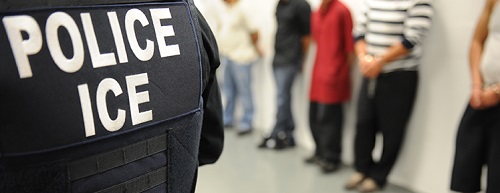
The pic above is from ICE’s website, at the link https://www.ice.gov/ero