
In a joint report, human rights organizations denounced abuses in Canadian detention centers and prisons, and noted discrimination against people with mental discapacities. Human Rights Watch (HRW) and Amnesty International assure that the conditions faced by many migrants, who after fleeing their country and requesting protection in Canada, “are regularly handcuffed and kept with little or no contact with the outside world.”
Ketty Nivyabandi, Secretary General of Amnesty International Canada, says that both organizations urged the Canadian authorities to review the system thoroughly. “Canada’sdetention procedures are in stark contrast to Canada’s rich diversity and values of equality and justice,” says Nivyabandi.
The report entitled ‘I did not feel like a human being there: Immigration detention in Canada and its impact on mental health’ exposes through 90 interviews with detainees, family members, mental health experts, academics, lawyers and migration specialists “the abuses and the uncertainty of the migrants of not knowing when they will obtain their freedom.”
From April 2019 to March 2020, more than 8 thousand 800 people between 15 and 83 years old were held in provincial jails and 136 children (73 of them children under 6 years) also entered detention centers to remain with their families. The report adds that from 2016 to date, more than 300 people have been held for more than a year for immigration reasons.
“Canada prides itself on welcoming refugees and people from different latitudes with open arms; however, those seeking safety run the risk of being detained indefinitely,” adds Nivyabandi.
NGOs also point there’s implicit racism, as the report shows that black people are deprived of their liberty for longer periods in comparison to others.
Discrimination against people with mental challenges
The situation is more serious for people with mental disabilities, who experience discrimination throughout the process. “First of all, they are more likely to end up in prisons than migrant detention centers,” says Samer Muscati, deputy director for the Rights of Persons with Disabilities at Human Rights Watch.
People with mental disabilities are often held in solitary confinement and may not be allowed to make autonomous decisions about their legal situation; In other words, it is representatives of the State who make decisions for them.
Thus, the organizations conclude that discrimination occurs on mental health grounds and ask that people with psychosocial disabilities not be subjected to punitive conditions.
HRW and Amnesty International propose that the Canadian government provide “psychosocial and legal services, and other forms of assistance that respect their autonomy and dignity.”
Nivyabandi hopes that the pandemic will serve as a turning point, since in the last year “an unprecedented number of migrants” have been released, and trusts that instead of returning to “old practices”, Justin Trudeau’s government will work on “reforming the immigrants and refugees system, in order to prioritize mental health and human rights.”
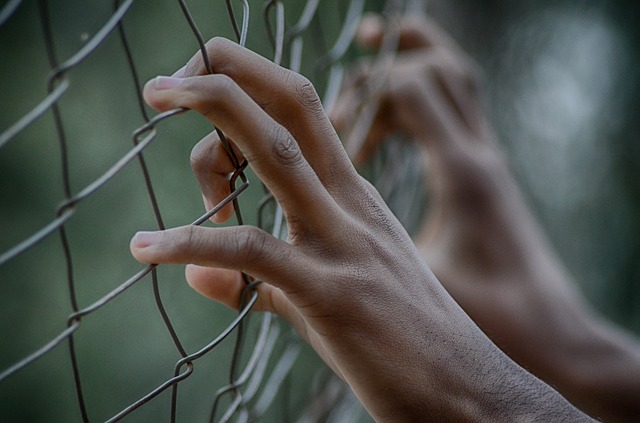
Pic from https://pixabay.com/