

Toronto on the brink: mental health crisis hits half the population
TORONTO – Toronto on the Verge of a Nervous Breakdown, and this is not the title of a movie: it’s, in a nutshell, the conclusion of a report on the city’s mental wellness, produced by Thrive Toronto—a multi-sector partnership of organizations active in the field. The report was released today, coincidentally on the third Monday of January, known as “Blue Monday,” considered the most depressing day of the year.
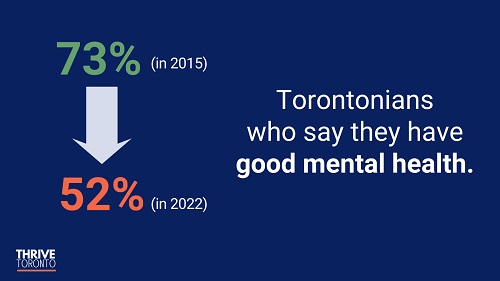
According to the report, which analyzes data collected over recent years, in 2022 only 52% of Torontonians reported having good mental health, down from 73% in 2015. Furthermore, 31% of respondents said their mental health had worsened compared to the period before the COVID-19 pandemic.
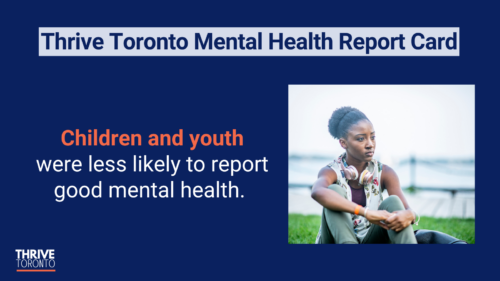
“Concerning trends and inequalities in mental health are emerging,” says Dr. Kwame McKenzie, CEO of the Wellesley Institute and co-author—together with Dr. Sophie Baker—of the report. The study highlights several important trends: children and youth are less likely to report good mental health; individuals identifying as 2SLGBTQ+ report lower levels of psychological well-being compared to the general population; and people who have experienced discrimination or adverse childhood experiences are more vulnerable.
The report also points to a structural problem: although the city’s mental health services meet the needs of those who can access them, too many Torontonians are still unable to receive support. Between 2020/2021 and 2022/2023, waiting lists for support services nearly doubled, indicating a growing demand that the system struggles to meet.
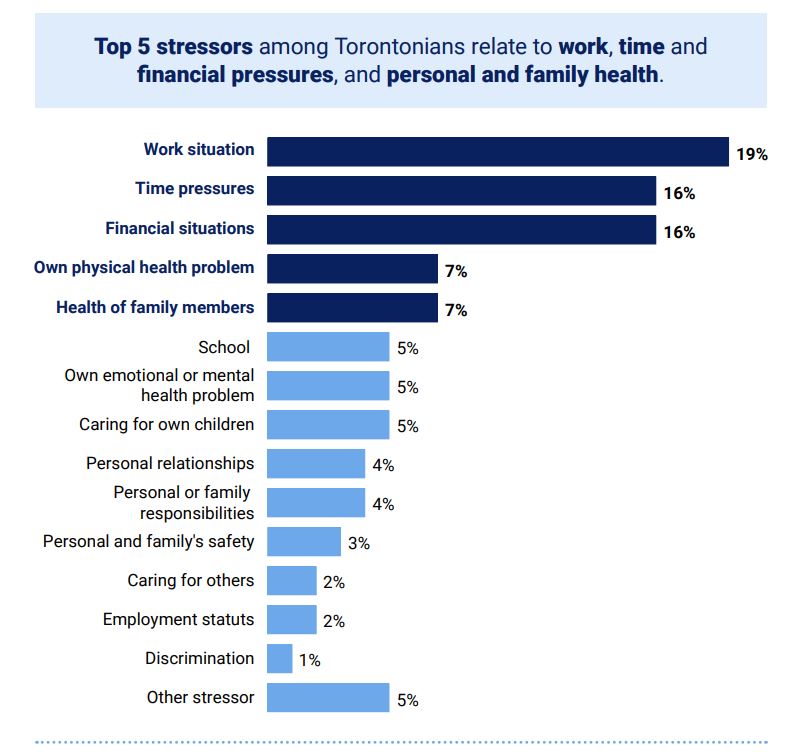
The study identified several stress factors closely linked to declining mental health: difficult working conditions, financial problems, and time pressures are among the main stressors reported. Groups facing greater social and economic challenges are less likely to report good mental health. Among young people in particular, 46% say they feel worried or depressed about the future due to climate change.
The report does not merely describe the problems—it also points to ways to address them. Meaningful interventions on social determinants of health, well-being, and the needs of vulnerable groups by policymakers, institutions, employers, the community sector, and citizens can significantly improve mental wellness in Toronto.
“We can see what the problems are, and we know what will work to make them better. It’s time for action,” says McKenzie, adding: “Mental health is one of the most important aspects of life. We all benefit from improved mental health and we all lose when it deteriorates.”
The Thrive Toronto Advisory Committee, which contributed to the report, includes leaders from the Canadian Mental Health Association Toronto, the Centre for Addiction and Mental Health (CAMH), the City of Toronto Social Development Division, Family Service Toronto, Strides Toronto, Toronto Public Health, United Way Greater Toronto, Wellesley Institute, and the YMCA of Greater Toronto.
This report is the first in a series and also marks an important step toward creating a shared method for measuring mental health in Toronto, providing a baseline from which future reports can assess progress or identify problems.
To download and/or read the whole report, click here: Thrive_Toronto_Mental_Health_Report_Card_January_2026
(Graphics and pics from https://thriveto.ca/mental-health-report-card/)