Toronto snowstorm: residents face challenges, critical accessibility issues for people with disabilities
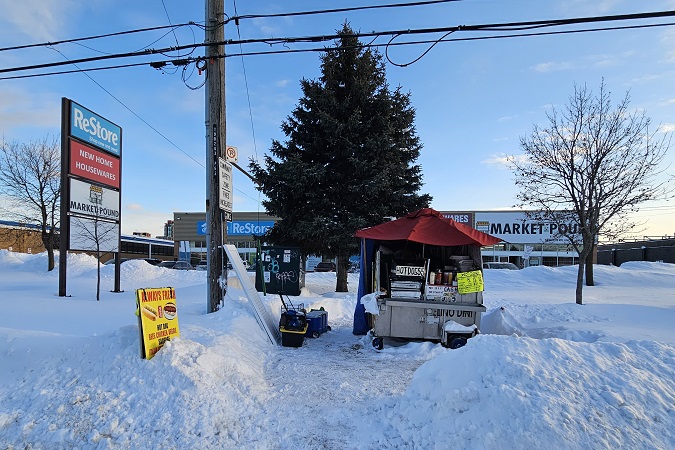
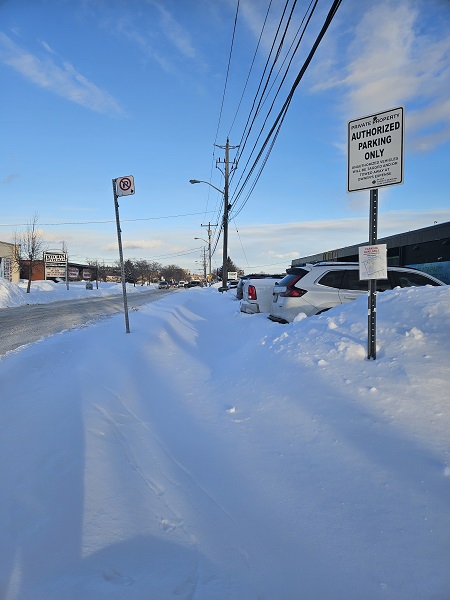
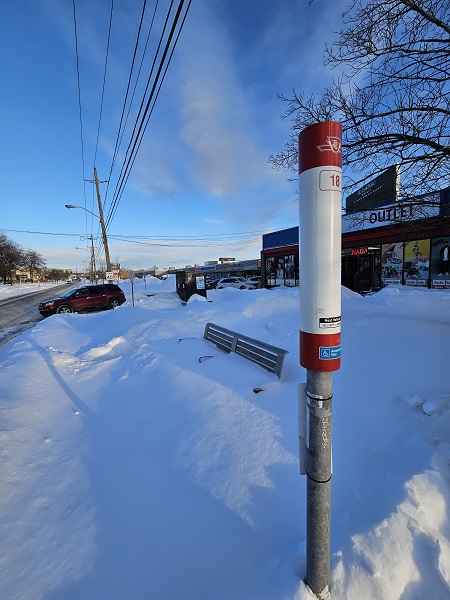
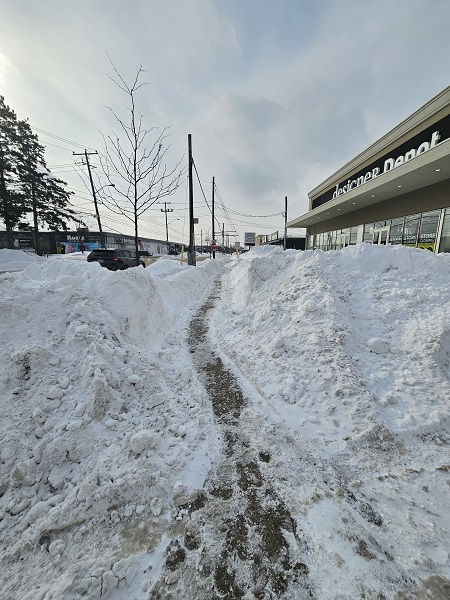
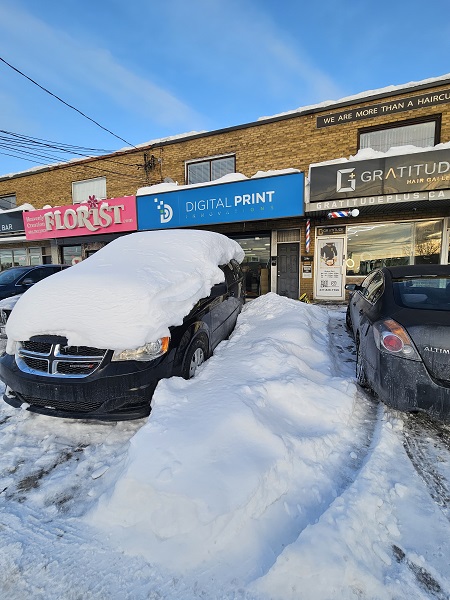
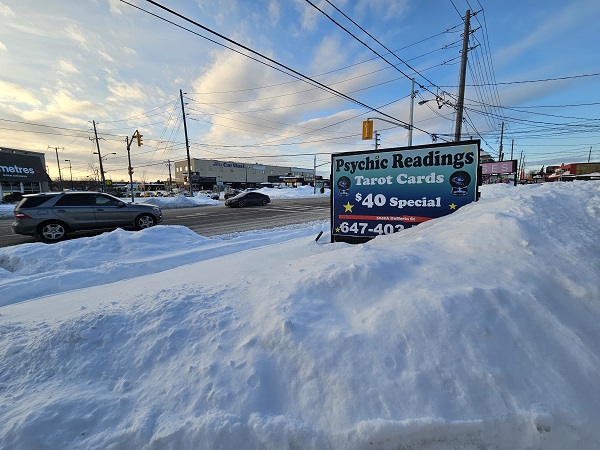
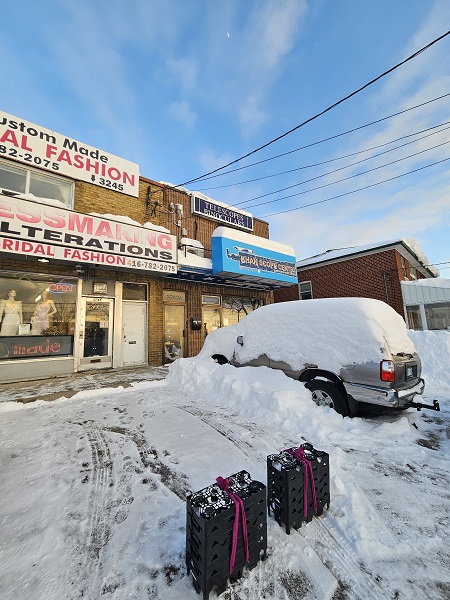
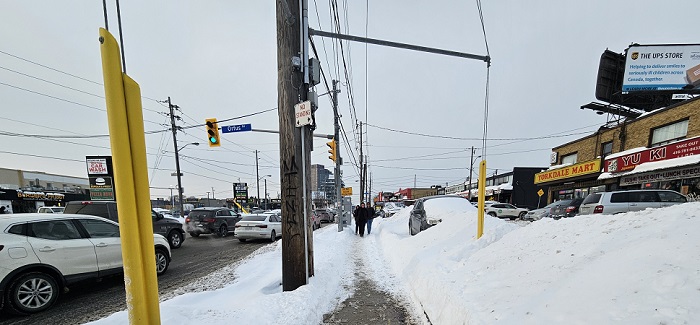
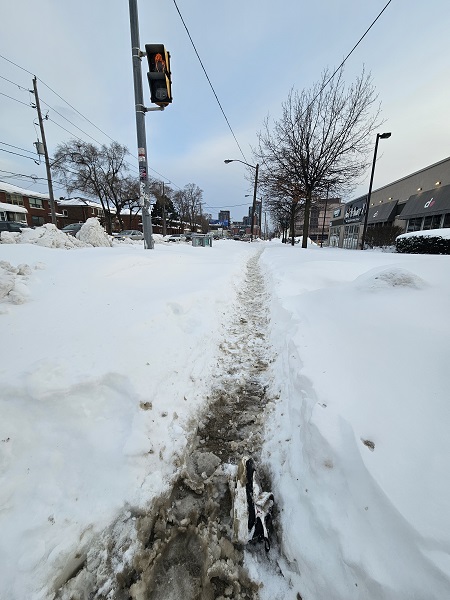
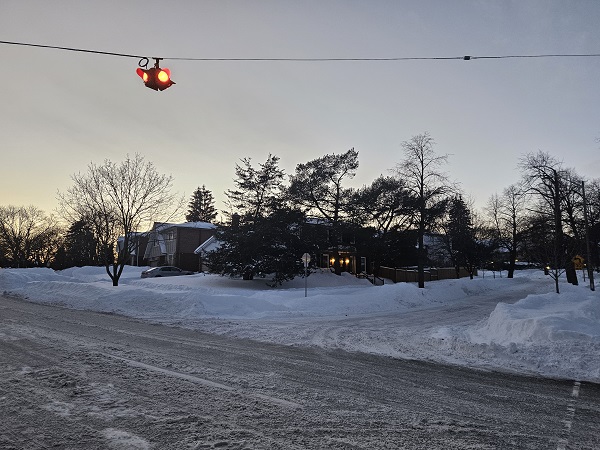
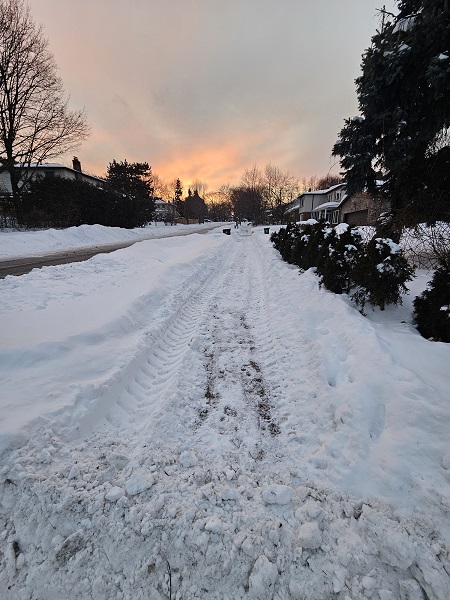
TORONTO – The city is struggling to recover from Sunday’s record-breaking snowstorm, which dumped more than 50 centimetres across much of Toronto—the highest single-day total ever recorded—with a peak of 61 centimetres in the downtown core, one of the largest amounts ever measured. Streets and sidewalks remain difficult to navigate, as residents make do with improvised sleds, spinning wheels, and paths that are still impassable nearly two days after the storm ended.
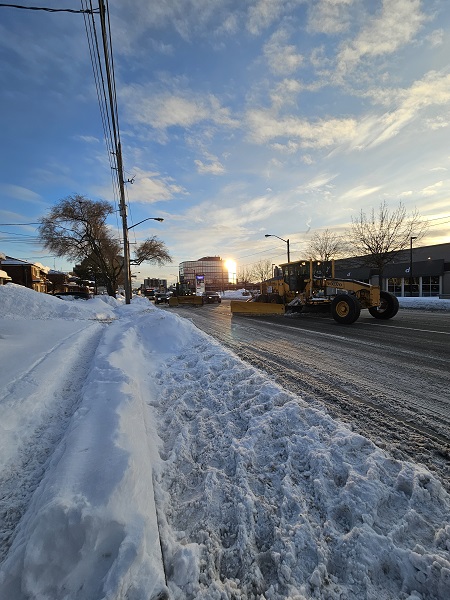
The City declared a snowstorm emergency, activating its highest level of winter response. More than 600 snowplows and 1,000 staff have been deployed to clear main roads, sidewalks, and hospital access routes. “We’ve made multiple passes on major roads and completed a full round on local streets and sidewalks; now we are on the second pass,” explained Toronto Mayor Olivia Chow.
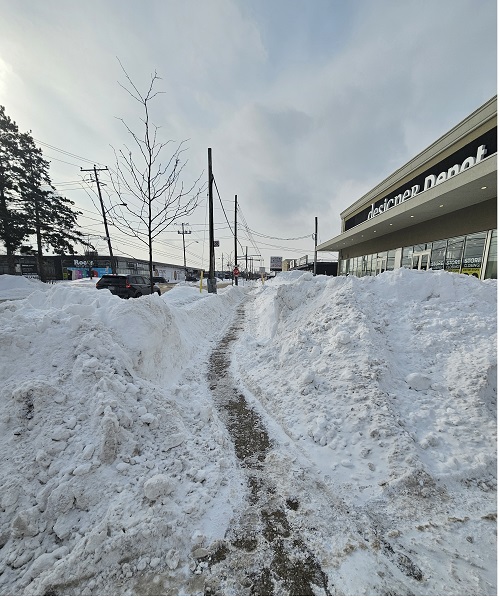
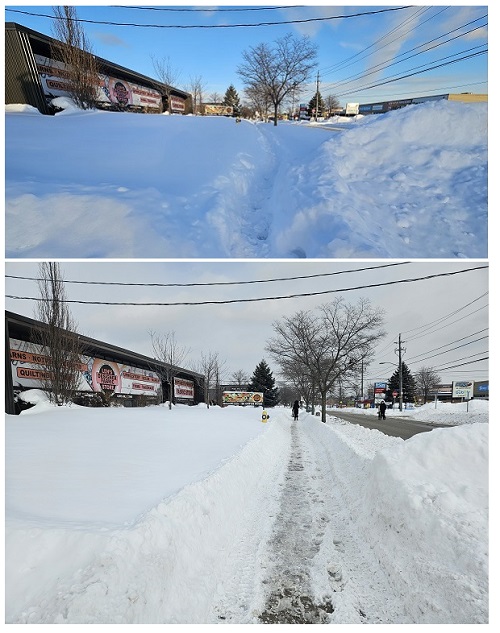
While the city is asking residents to report uncleared streets and sidewalks through the 311 line, attention is turning to another challenge: getting rid of snowbanks several metres high that have accumulated from street clearing, blocking parking lanes and narrowing residential streets. Removal operations, which involve hauling snow to storage sites, are expected to begin tomorrow, with daytime temperatures reaching -11 °C and wind chill as low as -19 °C, making the task even more difficult.
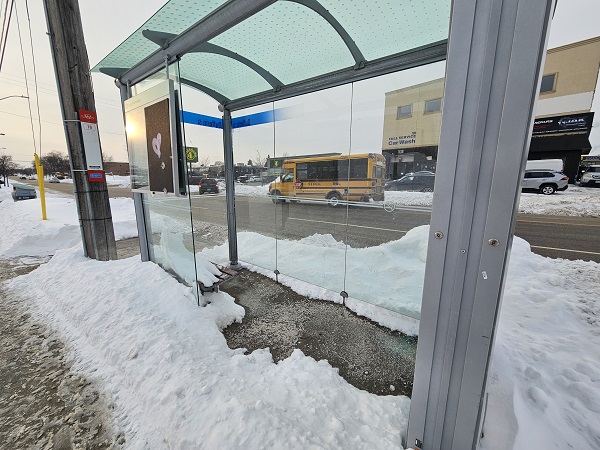
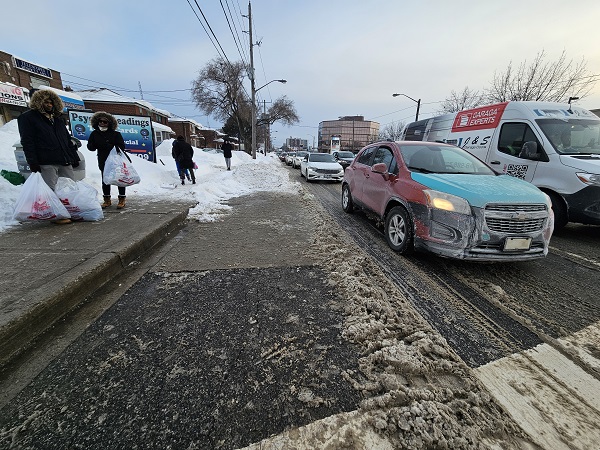
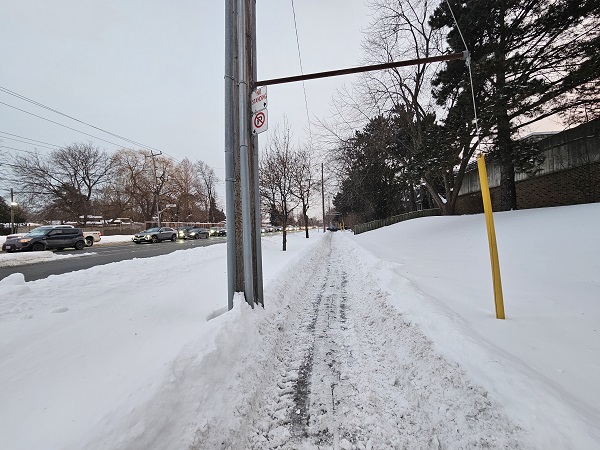
The storm has also highlighted other critical issues, particularly accessibility for people with disabilities. David Lepofsky, 68, a retired lawyer, disability rights advocate, and blind, told The Canadian Press that icy and snow-covered sidewalks make it almost impossible to move safely—even partially cleared paths can become insurmountable obstacles. “If they shovel the snow in a way that creates mountains of snow that impede our safe navigation out of our house or onto the street to pick up an Uber or whatever, this is a huge problem,” he said in an interview. He said his wife normally asks him to pick up groceries from a nearby store, but he now has to decline such requests. “Because even if the route is shovelled in certain parts, you can hit one mountain and it’s game over,” he said. “Nobody wants a broken hip … later in life, that can be terminal…”.
Rabia Khedr, national director of Disability Without Poverty, and blind, added that those living alone are especially vulnerable if caregivers cannot reach their homes. “It makes them very vulnerable if they’re dependent on caregivers coming to their house, and caregivers may not be able to enter into their street or into their … driveways,” she said. “I’m blind. I depend on what I hear, what I feel, what I touch, and a blanket of snow completely changes what I see, especially the quantity of this snow that piled up yesterday,” she added. “And when pathways and walkways are not cleared, then it becomes even harder to figure out where to navigate.”
Both are calling on municipalities to implement targeted measures during extreme weather events to support people with disabilities.
Lepofsky emphasizes that careful snow management benefits everyone, not just people with disabilities, because mobility issues can affect anyone as they age. “If you don’t have (a disability) now, you’re going to get one later, and that’s the truth about everybody, so by not handling this properly, our governments are hurting the majority of everyone…”.
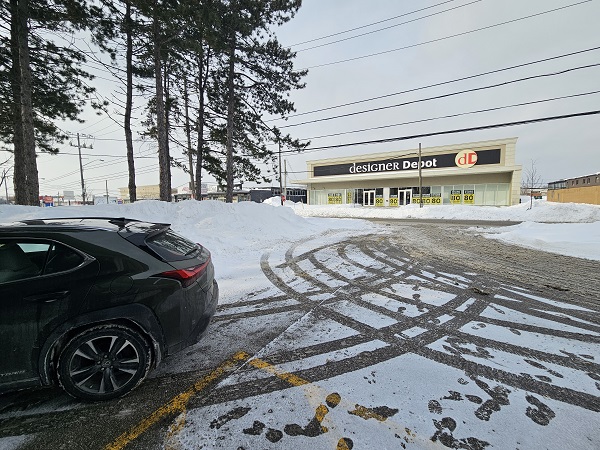
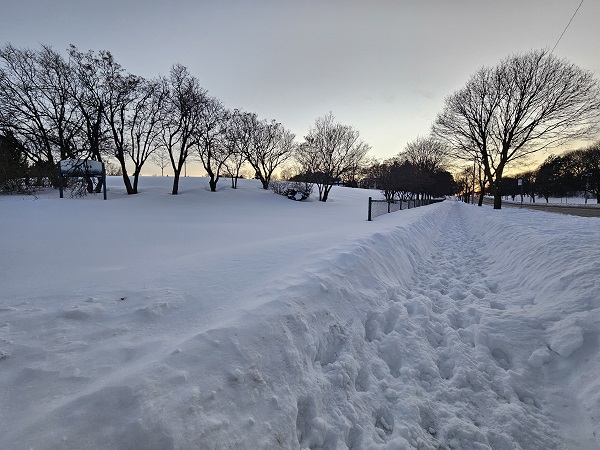
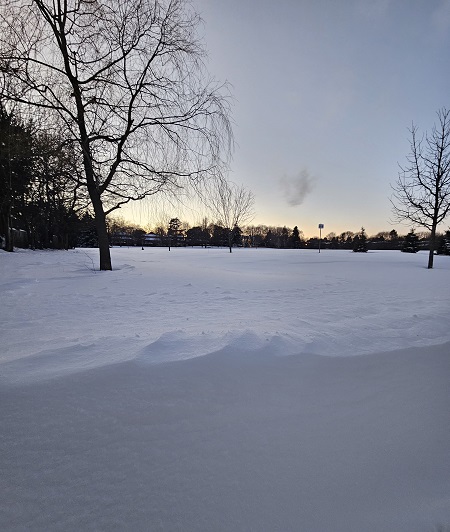
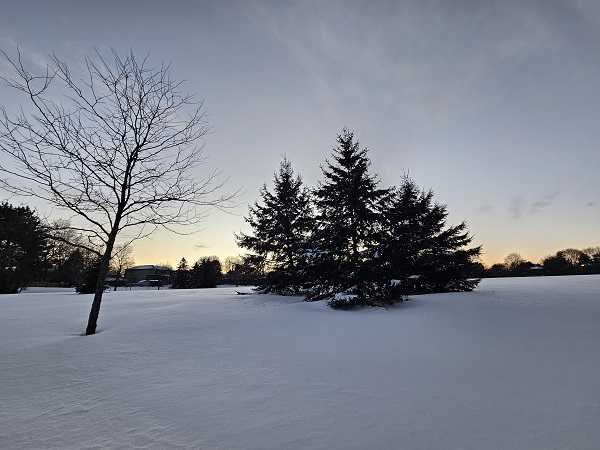
Here below is a photogallery taken after the snowfall (pics by Marzio Pelù – Corriere Canadese)