Toronto unveils 2026 budget: minimal tax increase and TTC fare freeze
TORONTO – The City of Toronto presented today at City Hall its 2026 budget which – according to the municipal administration – is strongly focused on affordability: it includes a freeze on TTC fares, the introduction of a monthly price cap for riders, and a modest overall property tax increase of 2.2 per cent.
The financial plan, presented by City Manager Paul Johnson, was politically outlined by Mayor Olivia Chow, who emphasized that thanks to efficiency measures required of departments, the use of reserves, and despite remaining budget pressures of approximately $1 billion, the city can afford a smaller tax increase. “Absolutely, the City of Toronto can afford this very affordable budget,” Chow said.
According to the Mayor, the 2026 budget focuses on affordability, safety, and the creation of good jobs. Chow also explained that the limited property tax increase is made possible by several fiscal measures introduced by her administration. “We are making the budget more fair by shifting the tax burden from families to speculators and luxury home buyers,” she said, referring to the increase in the Municipal Land Transfer Tax on homes valued at more than $3 million, expected to generate $150 million, as well as the vacant home tax, which is projected to bring in about $100 million.
As mentioned, the proposed 2026 budget includes a total property tax increase of 2.2 per cent for homeowners: a 0.7 per cent general property tax increase and an additional 1.5 per cent earmarked for the City Building Fund. This would be the lowest increase during Mayor Chow’s term and comes just months before the start of the municipal election period. Although she is widely seen as a potential re-election candidate, the mayor has not yet officially confirmed her intentions.
Previously, Chow approved property tax increases of 9.5 per cent in 2024 and 6.9 per cent in 2025. This year, however, the increase is limited to 2.2 per cent, prompting some to suggest it may be an electoral move. Asked about this by the journalists, Chow said she did not have a specific figure in mind at the beginning of the budget process and added that she has not yet decided whether she will seek re-election as Mayor of Toronto.
In recent months, the Mayor had already signaled her intention to keep tax increases in check. In November, she moved to remove the paid members of the Toronto Parking Authority board and rejected proposals to raise property taxes to cover unfunded shelter costs. In the fall, the City also implemented a hiring freeze for non-essential positions. Chow had previously stated that the budget would aim to “be responsible with public dollars while protecting the services people rely on every day.”
As for services, the budget also includes— as we noted earlier — another freeze on TTC fares and the introduction of a monthly cost cap for riders, funded in part through a one-time $35 million draw from reserves: the fare cap will make rides free for customers after they take tap their Presto or Debit card 47 times in a month. “And in 2027 – Chow announced on socials – we’re bringing that number down to 40!”.
“At a time when families and businesses are feeling real cost pressures, the City is focused on managing expenses carefully, enhancing community safety, and investing in the basics that support good jobs and a strong local economy” Chow concluded.
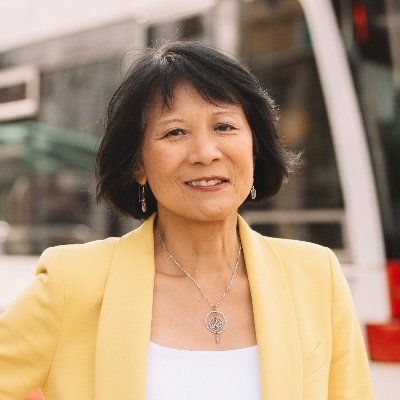
In the pic above: Olivia Chow, Mayor of Toronto (from Twitter X – @MayorOliviaChow)