Low tax hike, TTC fare capping, and Police funding: Toronto’s 2026 Budget feels (and looks) like a pre-election move
TORONTO – Mayor Olivia Chow’s latest budget has all the hallmarks of a pre-election document, both in substance and in style: after all, it’s her final budget ahead of the 2026 Toronto municipal election.
In substance, the budget keeps the 2.2% property tax increase proposed in the City staff’s initial draft, allocates nearly $1.5 billion to the Toronto Transit Commission (TTC) and the city’s police service; in style, the budget uploaded to the City’s website on Sunday evening reads very much like a campaign brochure (you can view/download it here: mayor0001), listing all the “achievements” of the Chow administration and featuring plenty of photos of the Mayor “with the people”: 18 full-color pages of self-promotion before the more than 300 pages of the actual budget, which follows feedback from the budget committee that in recent weeks heard input from city departments and residents.
The 2.2% property tax increase is the lowest of Chow’s term and is made possible by revenue from higher taxes on real estate speculators and the top 2% of luxury homebuyers, as the mayor had previously explained. By comparison, the 2024 budget saw a 9.5% increase—the highest in 25 years—amid an $1.8 billion deficit. The 2025 budget recorded a 6.9% increase, still far above the 2026 rate, in an election year.
The budget—set to be debated by city council on February 10—has been presented by the mayor as a measure focused on economic accessibility. “A city is a promise we make to each other: if you work here, you should be able to afford to live here – reads the letter from the Mayor attached to the fiscal document – . This budget keeps that promise.”
The 2026 budget also includes a 20% tax break for small businesses, up from 15% last year. “[Small businesses] are the fabric of our neighborhoods,” Chow said. “The family-run restaurants, the corner stores, the shops run by people who know your name.” The budget also allocates half a million dollars to housing and social support services.
The previously announced TTC fare freeze is confirmed, along with the introduction of a “fare capping” which will allow residents—starting in September—to travel for free for the rest of the month after taking 47 trips, eliminating the need to buy a $156 monthly pass in advance (roughly equivalent to 47 rides, which could drop to 40 next year if ridership increases). This initiative is made possible thanks to a $1.48 billion subsidy for the transit service.
Finally, Toronto Police will also get what they requested: a $93 million budget increase to fund a multi-year hiring plan and pay raises for officers. Far smaller police budget increase requests have faced tension at City Hall in recent years, including in 2024, when Chow initially rebuffed the force’s ask for a $20-million increase, before letting the funds flow.
Olivia Chow has not yet announced whether she will run for re-election, but in the meantime, she has certainly laid the groundwork…
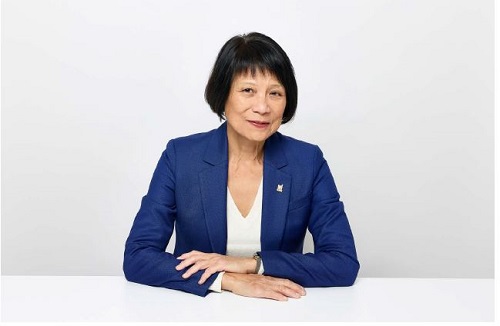
In the pic above, Mayor Olivia Chow in one of the photos featured in the City of Toronto’s Budget 2026 “brochure”