
North America is home to the world’s largest freshwater lake system in the world. The Five Great Lakes: Superior, Huron, Michigan, Erie and Ontario hold roughly, 5,400 cubic miles of water, accounting for approximately 20% of the world’s surface freshwater. That is something worth protecting.
To commemorate the 50th anniversary of the signing of the first Great Lakes Agreement (1971), the governments of Canada and Ontario have signed the new Canada-Ontario Agreement on Great Lakes Water Quality and Ecosystem Health (May 27). This is the ninth agreement between both governments which emphasizes the importance of conservation and restoration to protect a treasured natural resource.
The Great Lakes coastlines stretch from beyond Thunder Bay in the northwest through the St. Lawrence River to the Atlantic ocean in the southeast. The water system supports about 40% of Canada’s economic activity, including 25% of Canada’s agricultural production, as well as fishing, transportation and nearly half of all the nation’s manufacturing activity.
These national treasures play a vital role in the physical and social economic life throughout Canada. Canadians rely on them as a source of drinking water, food and an outlet to enjoy recreational activities. In Ontario alone, the Great Lakes directly provide drinking water to 60% of citizens. They act as a source of electricity which offers provinces like Ontario a valuable competitive edge.
But this natural resource and the ecosystem that surrounds it is constantly under threat from a number of factors – contamination and pollution. Contributing elements to the poor ecological health of the Great Lakes include: harmful pollutants, urban growth, rising levels of phosphorus, agricultural runoff and invasive species. These, and others have prompted the creation of the first Agreement and subsequent measures to enhance the water quality and ensure the biological integrity of the Lakes.
The Agreement aims to address issues through a set of specific actions to prevent things like toxic and nuisance algae, improve wastewater and stormwater management and reduce pollutants such as plastics and excess road salt. Also, each government is responsible to protect and restore the Great Lakes through measures that include: a revitalization of native species and habitats, and increasing resilience to climate change.
Some may choose to ignore climate change, but the signs are there. For instance, data from the National Oceanic and Atmospheric Administration (NOAA) suggests each Great Lake is warmer than the long-term average water temperature for this time of year.
Lake Ontario, for example, a deep lake and typically on the cold side registered an average surface water temperature of 13˚C on May 26, according to NOAA. That reading was roughly four degrees warmer compared to the long-term average temperature of about 9˚C, between the years of 1995-2020.
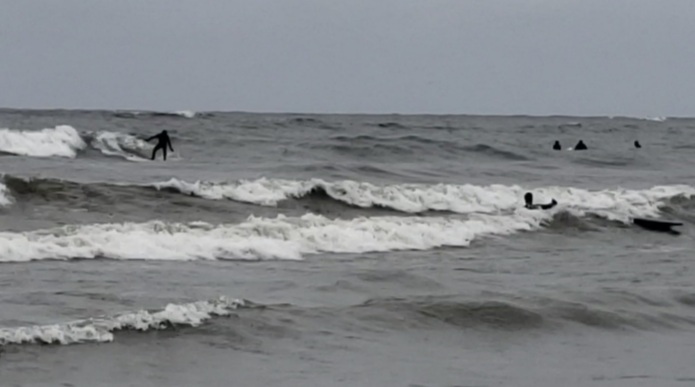
It may be too cold for comfortable swimming levels, but it did not stop some avid surfers who braved the waves along the norther shores of Lake Ontario Friday afternoon. (see photo)
It is important to ensure that the Great Lakes continue to be potable, swimmable and fishable for generations to come. Through collaborative efforts between the Federal and Provincial levels of government, the renewed pledge demonstrates a shared vision to protect the health and biodiversity of the Great Lakes.
The Agreement, effective June 1, 2021, will prioritize the protection of waters, habitat and species and the improvement of coastal areas. It will also focus on strengthening First Nation, Métis and all community engagement in implementing measures from awareness to action for a sustainable, long-term prosperity of the Great Lakes region.